UTI Treatment in Busan, Korea |
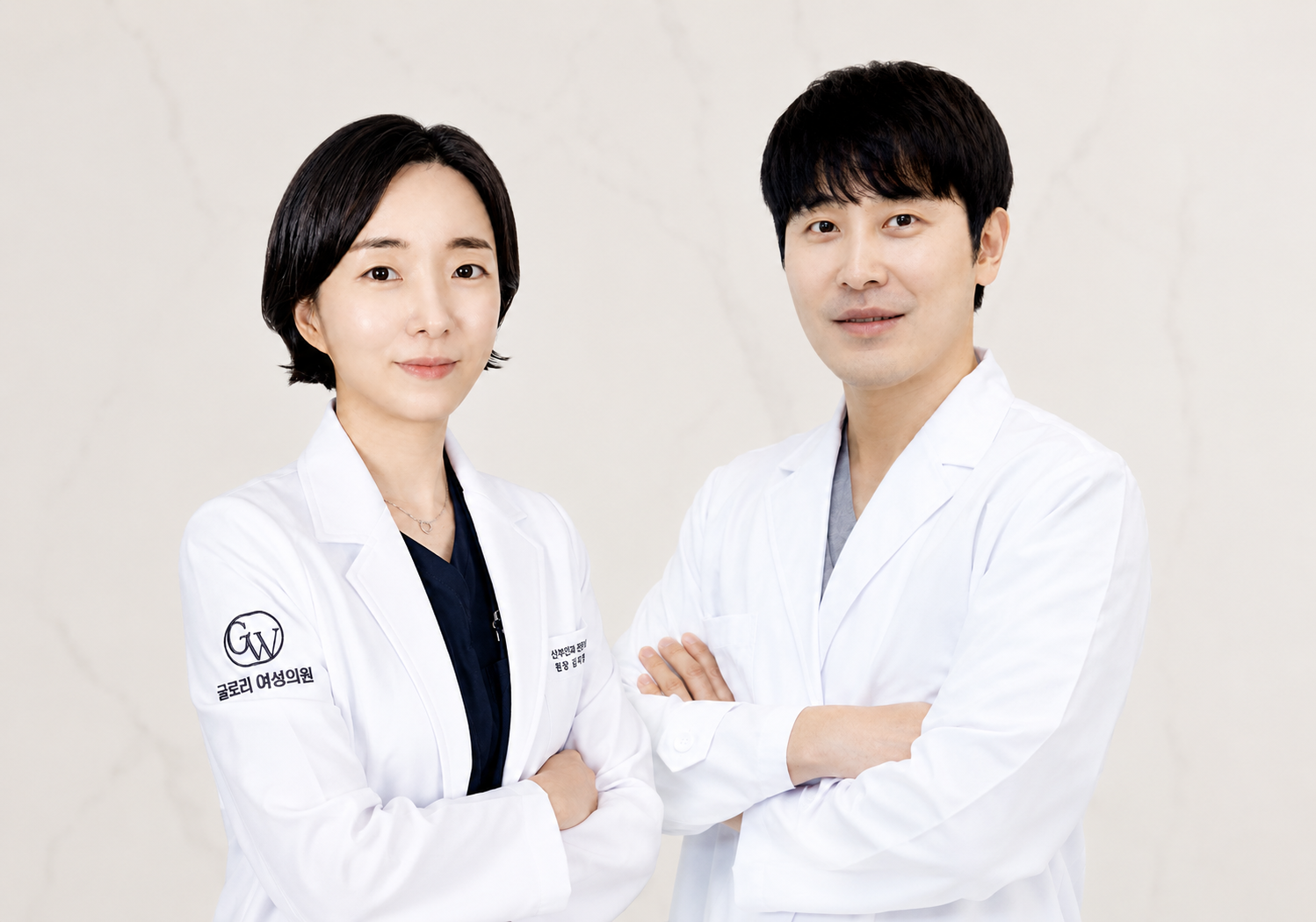
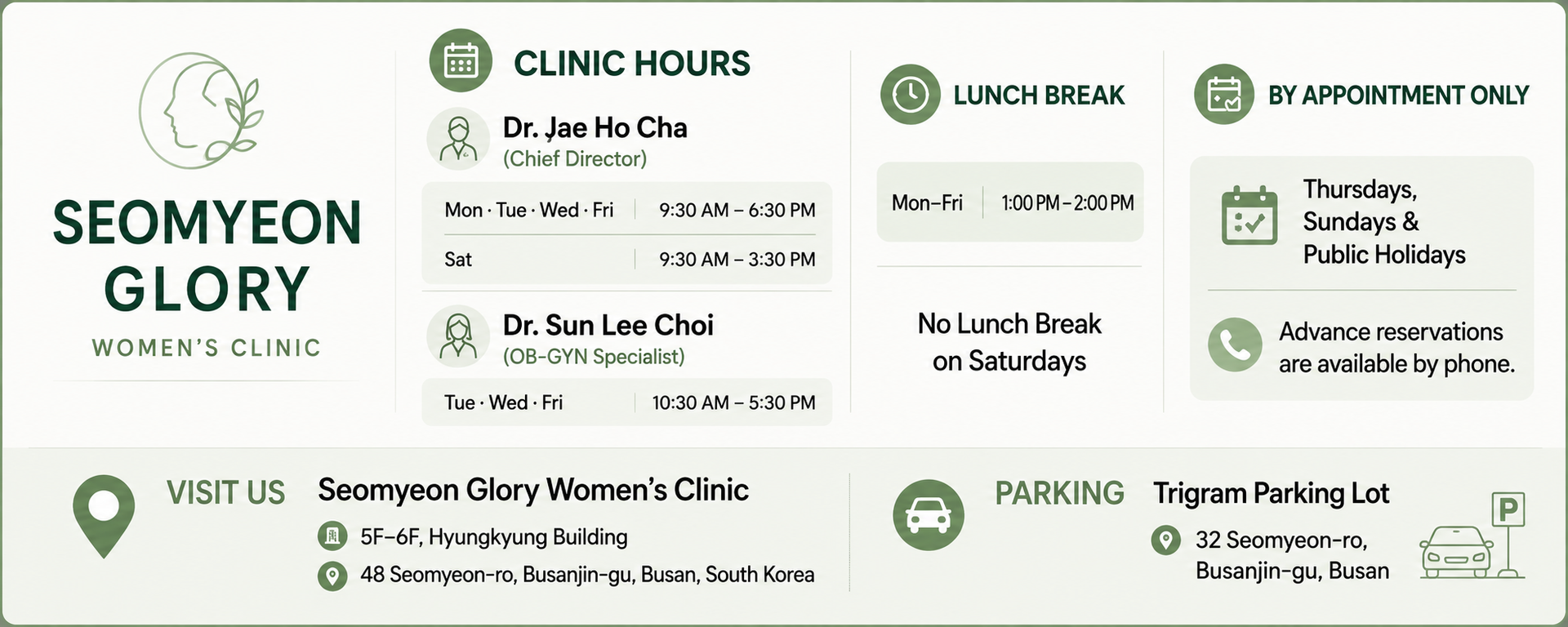
Seomyeon Glory Women's Clinic
UTI treatment provides prompt diagnosis and effective care for urinary tract infections, helping relieve symptoms and prevent kidney infections or recurrent UTIs. At Seomyeon Glory Women's Clinic in Busan, English-speaking OBGYN specialists offer confidential UTI diagnosis, testing, treatment, and preventive care for local and international patients.
UTI Treatment in Busan, Korea
Urinary tract infections (UTIs) are among the most common bacterial infections affecting women. Symptoms such as burning during urination, urinary urgency, frequent urination, and lower abdominal discomfort can significantly affect daily life. Prompt diagnosis and treatment are important to relieve symptoms quickly and prevent complications such as kidney infections.
At Seomyeon Glory Women's Clinic, our experienced English-speaking OBGYN specialists provide comprehensive UTI evaluation using modern diagnostic testing. We offer personalized treatment plans and preventive strategies to help restore urinary health and reduce the risk of recurrent infections.
What Is a Urinary Tract Infection (UTI)?
A urinary tract infection is a bacterial infection that affects part of the urinary system, including the:
- Urethra
- Bladder
- Ureters
- Kidneys
Most uncomplicated UTIs involve the bladder (cystitis) and respond well to prompt medical treatment.
Common Symptoms of a UTI
Symptoms may include:
- Burning or pain during urination
- Frequent urination
- Sudden urge to urinate
- Passing small amounts of urine
- Cloudy urine
- Blood in the urine
- Lower abdominal or pelvic discomfort
- Strong-smelling urine
If the infection spreads to the kidneys, symptoms may also include fever, chills, nausea, vomiting, and back or flank pain. Immediate medical attention is recommended if these symptoms occur.
Who Is at Higher Risk?
Women are more likely to develop UTIs due to anatomical factors.
Additional risk factors include:
- Sexual activity
- Pregnancy
- Menopause
- Previous urinary tract infections
- Urinary tract abnormalities
- Diabetes
- Weakened immune system
- Urinary catheter use
Women with recurrent infections may benefit from further evaluation and preventive management.
How Is a UTI Diagnosed?
Your evaluation may include:
- Medical history review
- Symptom assessment
- Physical examination when appropriate
- Urine analysis (urinalysis)
- Urine culture when indicated
- Additional laboratory testing if necessary
Accurate diagnosis helps determine the most effective treatment and identifies more complicated infections when present.
Treatment for Urinary Tract Infections
Treatment depends on the severity and type of infection.
Management may include:
- Prescription antibiotics
- Pain relief medications when appropriate
- Increased fluid intake
- Follow-up urine testing when necessary
- Evaluation for recurrent infections
- Personalized prevention strategies
Most uncomplicated UTIs improve quickly with appropriate antibiotic treatment.
Preventing Future UTIs
To reduce the risk of recurrent infections, your doctor may recommend:
- Drinking adequate fluids
- Urinating regularly
- Urinating after sexual activity
- Good personal hygiene
- Managing menopause-related vaginal changes
- Follow-up evaluation for recurrent infections
- Individualized preventive treatment when appropriate
Preventive care is especially important for women who experience frequent UTIs.
UTI Treatment for International Patients
Seomyeon Glory Women's Clinic welcomes international patients living in or visiting Busan.
We provide:
- English-speaking consultations
- Comprehensive UTI evaluation
- Urine analysis and laboratory testing
- Personalized antibiotic treatment
- Management of recurrent UTIs
- Follow-up care
- Efficient appointments
- Compassionate and confidential care
Whether you have your first urinary tract infection or recurrent symptoms, our clinic provides prompt diagnosis and evidence-based treatment tailored to your individual needs.
Why Choose Seomyeon Glory Women's Clinic?
Patients choose our clinic for:
- Experienced OBGYN specialists
- Comprehensive urinary health evaluation
- Accurate laboratory diagnostics
- Personalized treatment plans
- Expertise in recurrent UTIs
- Preventive women's healthcare
- English-speaking support
- Comfortable and private environment
- Convenient Seomyeon location in Busan
We are committed to helping women recover quickly from urinary tract infections while reducing the risk of future recurrences through individualized, evidence-based care.
Frequently Asked Questions
What is a urinary tract infection (UTI)?
A urinary tract infection is a bacterial infection affecting the urinary system, most commonly the bladder. It is one of the most common infections in women.
What are the symptoms of a UTI?
Common symptoms include burning during urination, frequent urination, urgency, cloudy urine, blood in the urine, pelvic discomfort, and lower abdominal pain.
How is a UTI diagnosed?
Diagnosis usually involves reviewing your symptoms, performing a urinalysis, and, when appropriate, a urine culture to identify the bacteria causing the infection.
How are UTIs treated?
Most UTIs are treated with prescription antibiotics. Your doctor may also recommend increased fluid intake, symptom relief medications, and follow-up testing if needed.
Can UTIs come back?
Yes. Some women experience recurrent UTIs. If infections occur frequently, your OBGYN may recommend additional evaluation and preventive strategies.
When should I seek immediate medical care?
If you develop fever, chills, nausea, vomiting, or severe back or flank pain, the infection may have spread to the kidneys and prompt medical evaluation is recommended.
Do you provide English consultations?
Yes. Seomyeon Glory Women's Clinic offers English-speaking consultations and comprehensive UTI diagnosis and treatment for international patients.
Can international patients receive UTI treatment in Korea?
Yes. International patients are welcome to receive urine testing, diagnosis, antibiotic treatment, follow-up care, and personalized urinary health management during their stay in Busan.