Uterine Polyp Treatment in Busan, Korea |
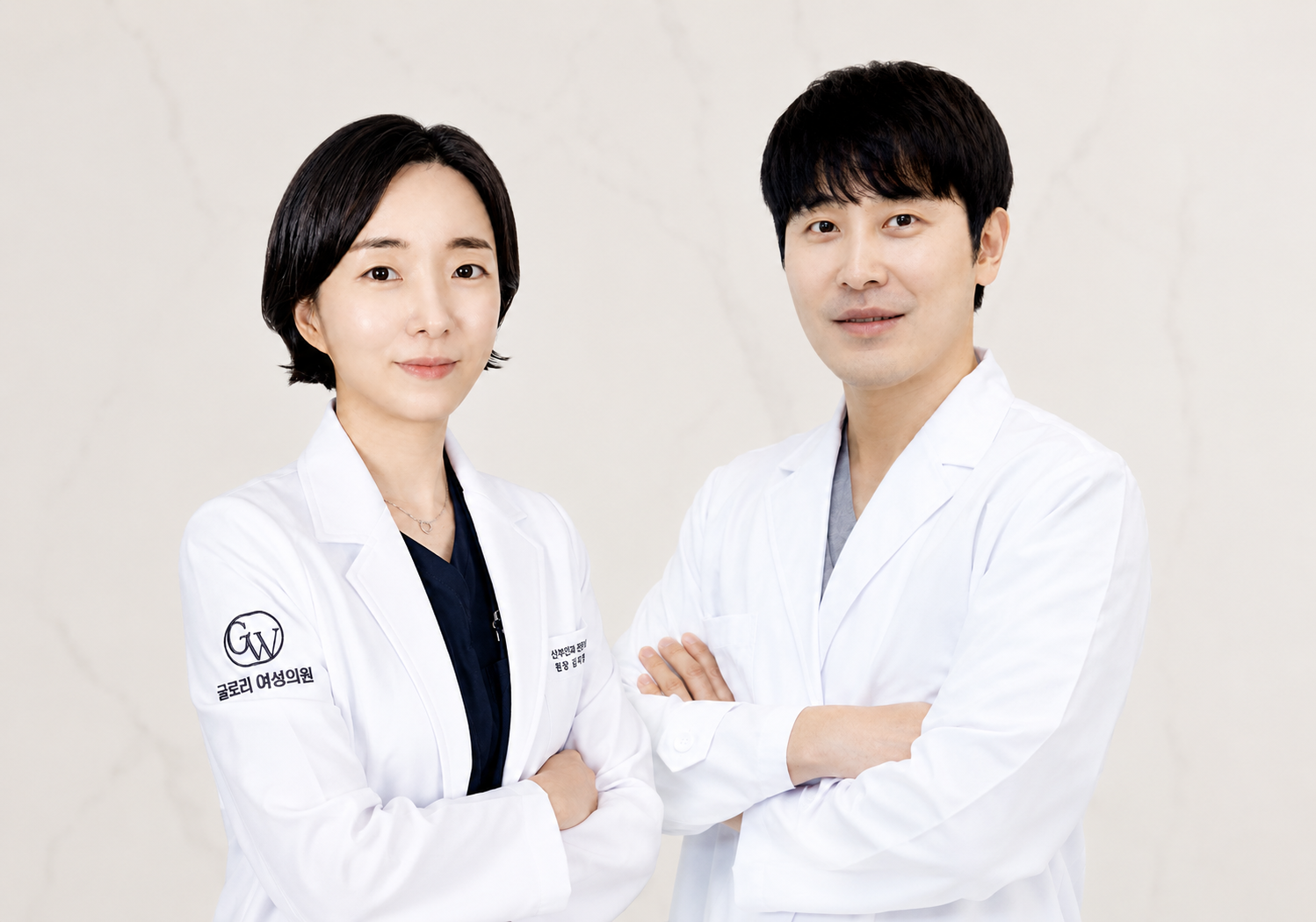
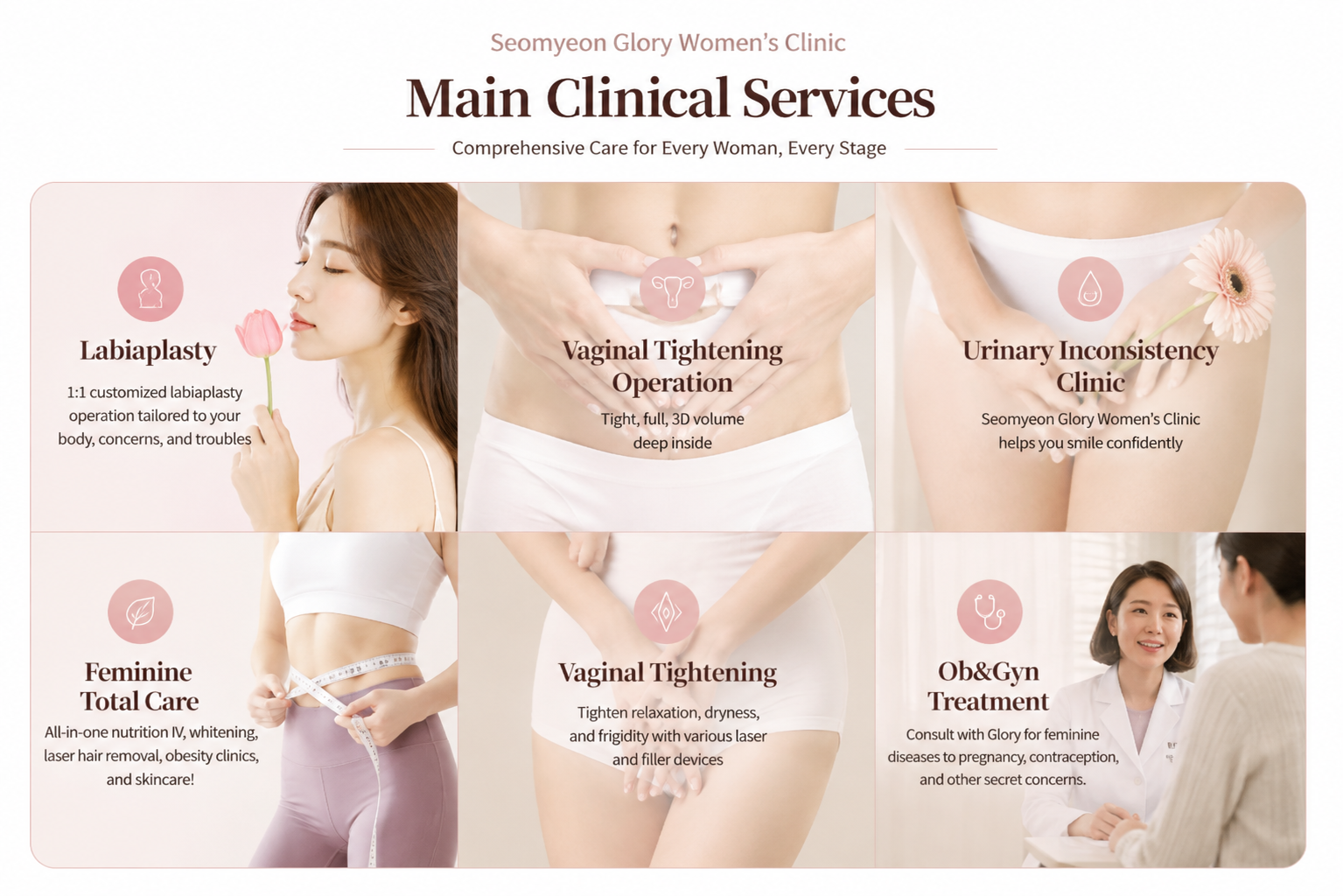
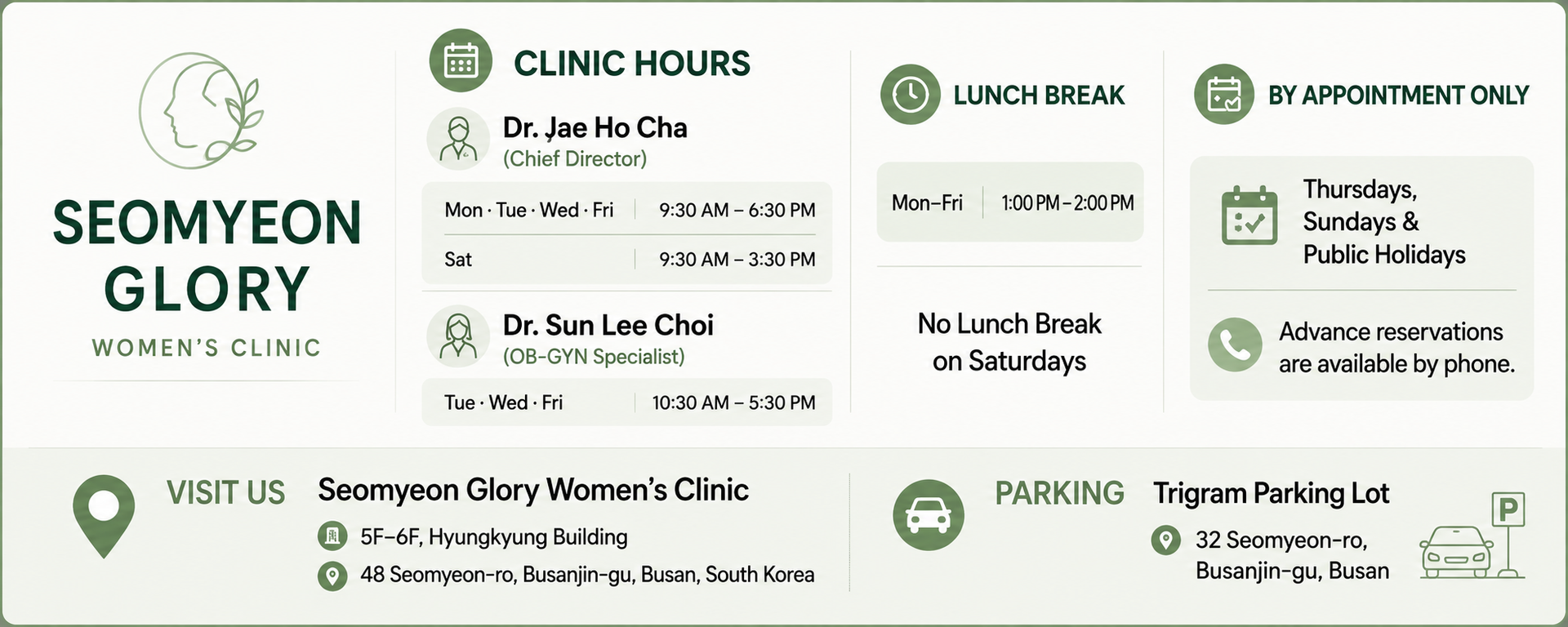
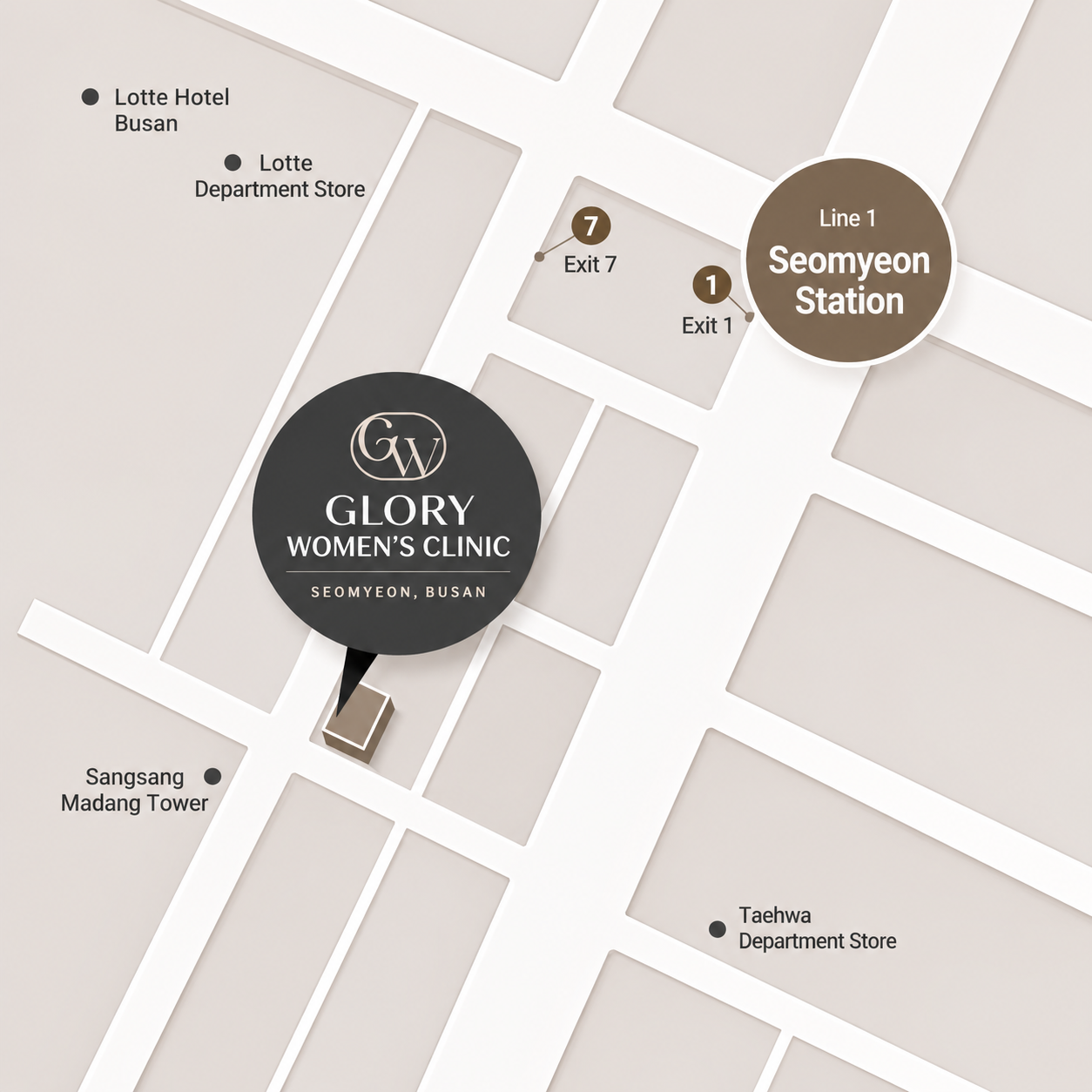
Seomyeon Glory Women's Clinic
Uterine polyps are benign growths that develop in the lining of the uterus and can cause abnormal uterine bleeding, irregular periods, and fertility concerns. At Seomyeon Glory Women's Clinic in Busan, English-speaking OBGYN specialists provide comprehensive diagnosis, pelvic ultrasound, and personalized treatment for uterine polyps for local and international patients.
Uterine Polyp Treatment in Busan, Korea
Uterine polyps, also known as endometrial polyps, are common non-cancerous growths that form in the inner lining of the uterus (endometrium). While some women experience no symptoms, others may develop abnormal bleeding, heavy periods, or difficulty becoming pregnant.
At Seomyeon Glory Women's Clinic, our experienced English-speaking OBGYN specialists provide accurate diagnosis using modern gynecological imaging and individualized treatment plans designed to relieve symptoms, preserve fertility, and improve overall reproductive health.
What Are Uterine Polyps?
Uterine polyps are soft overgrowths of the endometrial tissue that lines the inside of the uterus.
Polyps may:
- Be small or large
- Occur as a single polyp or multiple polyps
- Remain inside the uterus
- Occasionally extend through the cervix
Most uterine polyps are benign (non-cancerous), although some may require further evaluation to rule out precancerous or cancerous changes, particularly after menopause.
Symptoms of Uterine Polyps
Many women have no symptoms. When symptoms occur, they may include:
- Abnormal uterine bleeding
- Heavy menstrual bleeding
- Irregular menstrual periods
- Bleeding between periods
- Bleeding after sexual intercourse
- Bleeding after menopause
- Difficulty becoming pregnant
- Recurrent miscarriage in some cases
Persistent abnormal bleeding should always be evaluated by an OBGYN.
Who Is at Risk?
Uterine polyps are more common in women who:
- Are between 40 and 50 years of age
- Are approaching menopause
- Have hormonal imbalances
- Are overweight or obese
- Have high blood pressure
- Take certain hormone-related medications
Although uterine polyps can occur at any reproductive age, they are most frequently diagnosed during perimenopause.
How Are Uterine Polyps Diagnosed?
Your evaluation may include:
- Medical history review
- Symptom assessment
- Pelvic examination
- Pelvic ultrasound
- Saline infusion sonography (when appropriate)
- Hysteroscopy
- Endometrial biopsy if indicated
- Blood tests
- Pregnancy test when appropriate
Pelvic ultrasound is often the first step in identifying uterine polyps, while hysteroscopy allows direct visualization and treatment when necessary.
Treatment for Uterine Polyps
Treatment depends on your symptoms, the size of the polyps, your age, and your fertility goals.
Treatment options may include:
- Observation and regular monitoring
- Hormonal therapy
- Follow-up pelvic ultrasound
- Hysteroscopic polypectomy (polyp removal)
- Endometrial biopsy when indicated
- Fertility evaluation
- Long-term follow-up care
Hysteroscopic removal is a minimally invasive procedure that allows precise removal of uterine polyps while preserving the uterus.
Can Uterine Polyps Affect Fertility?
Yes. Some uterine polyps may interfere with embryo implantation or increase the risk of miscarriage.
Removing symptomatic or large polyps may improve fertility outcomes in women who are trying to conceive. Our specialists provide individualized fertility evaluations and treatment recommendations based on your reproductive goals.
Uterine Polyp Care for International Patients
Seomyeon Glory Women's Clinic welcomes international patients living in or visiting Busan.
We provide:
- English-speaking OBGYN consultations
- Pelvic ultrasound
- Comprehensive uterine evaluation
- Hysteroscopic assessment when appropriate
- Fertility evaluation
- Personalized treatment plans
- Long-term follow-up care
- Efficient appointments
- Compassionate and confidential care
Whether you have abnormal bleeding or have recently been diagnosed with uterine polyps, our clinic provides comprehensive, evidence-based care tailored to your individual needs.
Why Choose Seomyeon Glory Women's Clinic?
Patients choose our clinic for:
- Experienced OBGYN specialists
- Expertise in uterine polyp diagnosis and treatment
- Advanced pelvic ultrasound technology
- Personalized treatment plans
- Fertility-conscious care
- Minimally invasive gynecological procedures
- English-speaking support
- Comfortable and private environment
- Convenient Seomyeon location in Busan
We are committed to helping women manage uterine polyps through accurate diagnosis, individualized treatment, and compassionate long-term care.
Frequently Asked Questions
What are uterine polyps?
Uterine polyps are benign growths that develop in the lining of the uterus (endometrium). Most are non-cancerous, but they may cause abnormal bleeding or fertility problems.
What symptoms do uterine polyps cause?
Common symptoms include heavy menstrual bleeding, irregular periods, bleeding between periods, bleeding after menopause, and fertility difficulties. Some women experience no symptoms.
Can uterine polyps become cancerous?
Most uterine polyps are benign. However, some polyps—particularly in postmenopausal women—may contain precancerous or cancerous cells, so medical evaluation is recommended.
How are uterine polyps diagnosed?
Diagnosis may include a pelvic examination, pelvic ultrasound, saline infusion sonography, hysteroscopy, and endometrial biopsy when appropriate.
Do all uterine polyps need to be removed?
Not always. Small, asymptomatic polyps may simply be monitored. Removal is often recommended if polyps cause symptoms, affect fertility, or have features that require further evaluation.
Can uterine polyps affect fertility?
Yes. Some uterine polyps may interfere with implantation or increase the risk of miscarriage. Treatment may improve fertility in selected patients.
Do you provide English consultations?
Yes. Seomyeon Glory Women's Clinic offers English-speaking consultations and comprehensive gynecological care for international patients.
Can international patients receive uterine polyp treatment in Korea?
Yes. International patients are welcome to receive diagnosis, pelvic ultrasound, hysteroscopic evaluation, treatment, fertility counseling, and follow-up care for uterine polyps during their stay in Busan.