Menopause Treatment in Busan, Korea |
Seomyeon Glory Women's Clinic
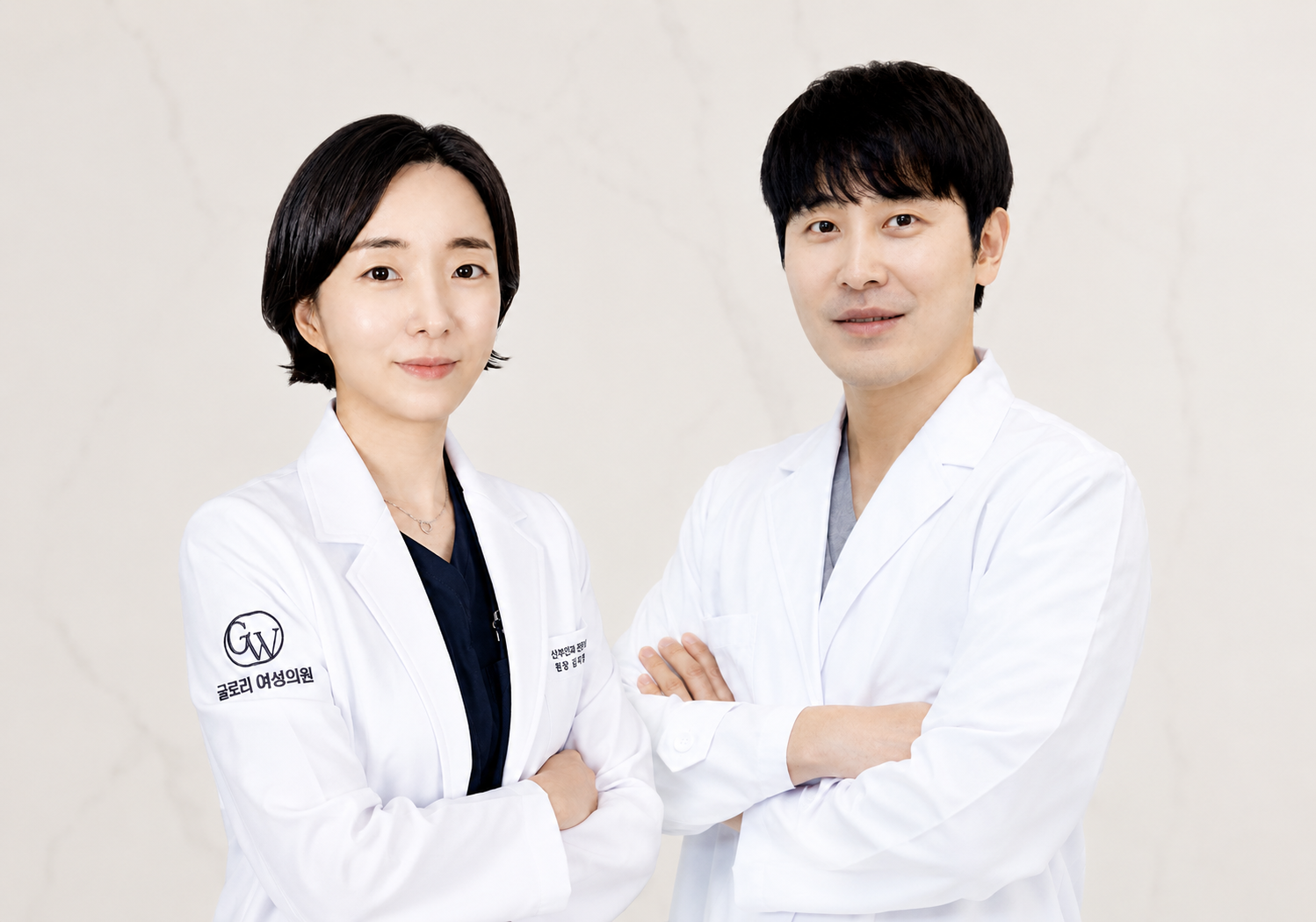
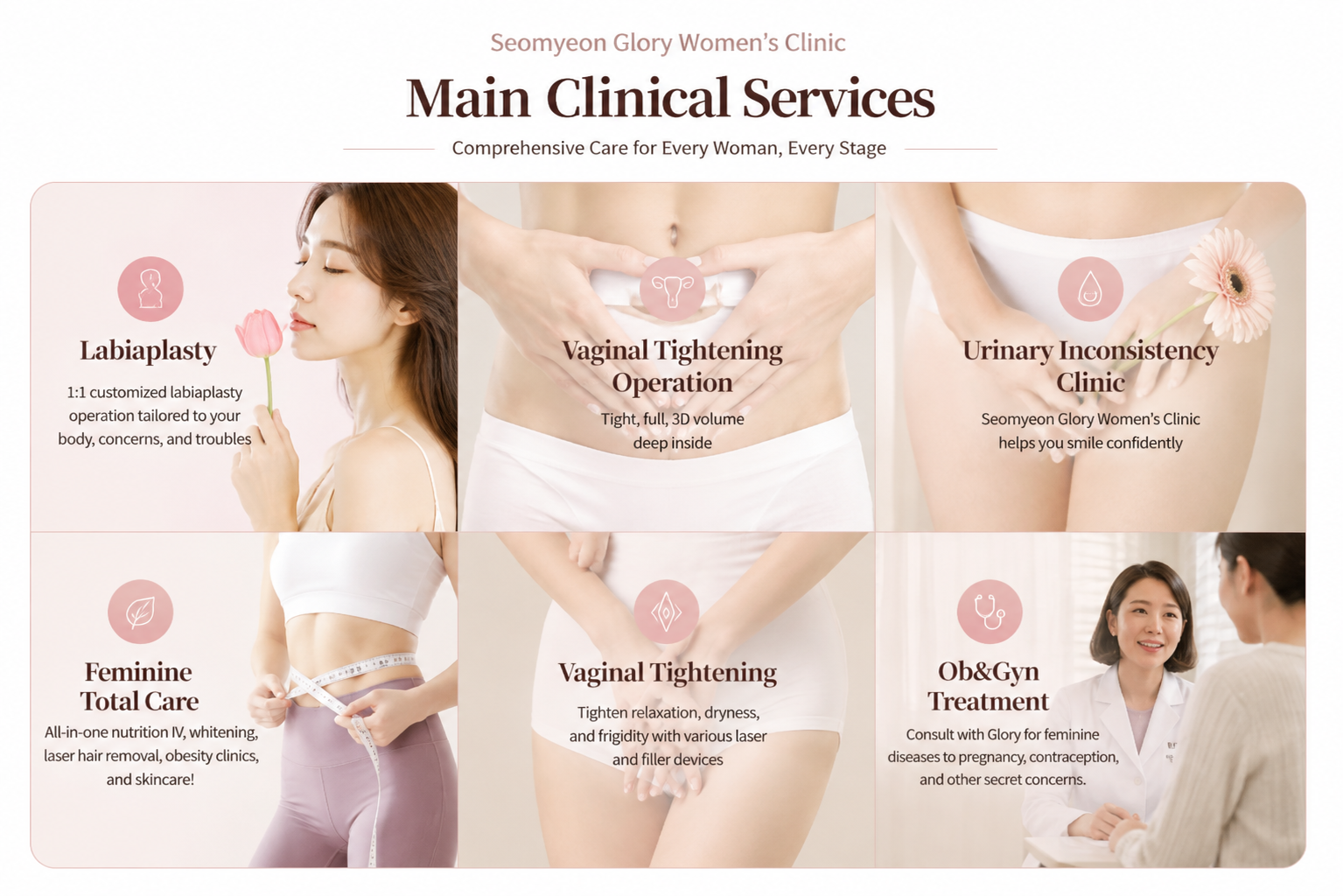
Menopause is a natural stage of aging that occurs when menstrual periods permanently stop due to declining hormone levels. It can cause hot flashes, night sweats, vaginal dryness, mood changes, and sleep disturbances. At Seomyeon Glory Women's Clinic in Busan, English-speaking OBGYN specialists provide comprehensive menopause evaluation, hormone assessment, and personalized treatment for local and international patients.
Menopause Treatment in Busan, Korea
Menopause is a natural transition in a woman's life, but the hormonal changes associated with menopause can significantly affect physical health, emotional well-being, sexual health, and quality of life. While some women experience only mild symptoms, others may require medical treatment to manage moderate or severe menopausal symptoms.
At Seomyeon Glory Women's Clinic, our experienced English-speaking OBGYN specialists provide individualized menopause care using evidence-based treatments designed to relieve symptoms, maintain long-term health, and improve overall well-being.
What Is Menopause?
Menopause is defined as the permanent end of menstrual periods after 12 consecutive months without menstruation.
It occurs because the ovaries gradually produce less estrogen and progesterone.
Menopause typically occurs between the ages of 45 and 55, although some women experience early or premature menopause.
Common Symptoms of Menopause
Menopausal symptoms vary from woman to woman and may include:
- Hot flashes
- Night sweats
- Irregular periods before menopause
- Vaginal dryness
- Pain during sexual intercourse
- Mood changes
- Irritability
- Anxiety
- Sleep disturbances
- Fatigue
- Brain fog or difficulty concentrating
- Decreased libido
- Urinary urgency
- Recurrent urinary tract infections
Symptoms may begin during perimenopause and continue for several years after menopause.
Health Changes After Menopause
Reduced estrogen levels may increase the risk of:
- Osteoporosis
- Bone fractures
- Cardiovascular disease
- Vaginal atrophy
- Urinary symptoms
- Weight gain
- Metabolic changes
Regular gynecological care and preventive health screenings remain important after menopause.
How Is Menopause Diagnosed?
Your evaluation may include:
- Medical history review
- Symptom assessment
- Menstrual history
- Pelvic examination
- Hormone blood tests when appropriate
- Bone health assessment
- Thyroid function testing if indicated
- Routine gynecological screening
Although menopause is often diagnosed based on symptoms and menstrual history, laboratory testing may be recommended in selected cases.
Treatment for Menopause
Treatment depends on your symptoms, medical history, and personal preferences.
Your treatment plan may include:
- Hormone replacement therapy (HRT) when appropriate
- Local vaginal estrogen therapy
- Non-hormonal medications
- Vaginal moisturizers and lubricants
- Lifestyle recommendations
- Nutritional counseling
- Exercise guidance
- Bone health management
- Cardiovascular risk assessment
- Long-term follow-up care
Our specialists develop personalized treatment plans that balance symptom relief with long-term health considerations.
Managing Menopause Naturally
Many women benefit from healthy lifestyle habits such as:
- Regular physical activity
- Calcium and vitamin D intake
- Balanced nutrition
- Maintaining a healthy weight
- Good sleep habits
- Stress management
- Smoking cessation
- Limiting alcohol intake
These measures can help improve symptoms and support long-term health.
Menopause Care for International Patients
Seomyeon Glory Women's Clinic welcomes international patients living in or visiting Busan.
We provide:
- English-speaking OBGYN consultations
- Menopause evaluation
- Hormone assessment
- Hormone replacement therapy consultations
- Vaginal health management
- Bone health counseling
- Personalized treatment plans
- Efficient appointments
- Compassionate and confidential care
Whether you are entering menopause or have been experiencing symptoms for years, our clinic provides evidence-based care tailored to your individual needs.
Why Choose Seomyeon Glory Women's Clinic?
Patients choose our clinic for:
- Experienced OBGYN specialists
- Expertise in menopause management
- Personalized hormone therapy recommendations
- Comprehensive women's healthcare
- Preventive health screenings
- Long-term wellness support
- English-speaking support
- Comfortable and private environment
- Convenient Seomyeon location in Busan
We are committed to helping women navigate menopause comfortably while protecting their long-term health and quality of life.
Frequently Asked Questions
What is menopause?
Menopause is the permanent end of menstrual periods after 12 consecutive months without menstruation due to the natural decline in ovarian hormone production.
What are the first signs of menopause?
Early symptoms often include irregular periods, hot flashes, night sweats, sleep disturbances, mood changes, and vaginal dryness.
What age does menopause usually begin?
Most women experience menopause between the ages of 45 and 55, although the timing varies from person to person.
How is menopause diagnosed?
Diagnosis is usually based on your menstrual history and symptoms. Hormone blood tests may be recommended in selected cases, particularly for younger women or when the diagnosis is uncertain.
Can menopause symptoms be treated?
Yes. Treatment options include hormone replacement therapy, local vaginal estrogen, non-hormonal medications, lifestyle changes, and supportive therapies depending on your symptoms and medical history.
Does menopause increase the risk of osteoporosis?
Yes. Declining estrogen levels increase the risk of bone loss and osteoporosis, making bone health an important part of menopause care.
Do you provide English consultations?
Yes. Seomyeon Glory Women's Clinic offers English-speaking menopause consultations and comprehensive women's healthcare for international patients.
Can international patients receive menopause treatment in Korea?
Yes. International patients are welcome to receive menopause evaluation, hormone assessment, treatment, and long-term follow-up care during their stay in Busan.